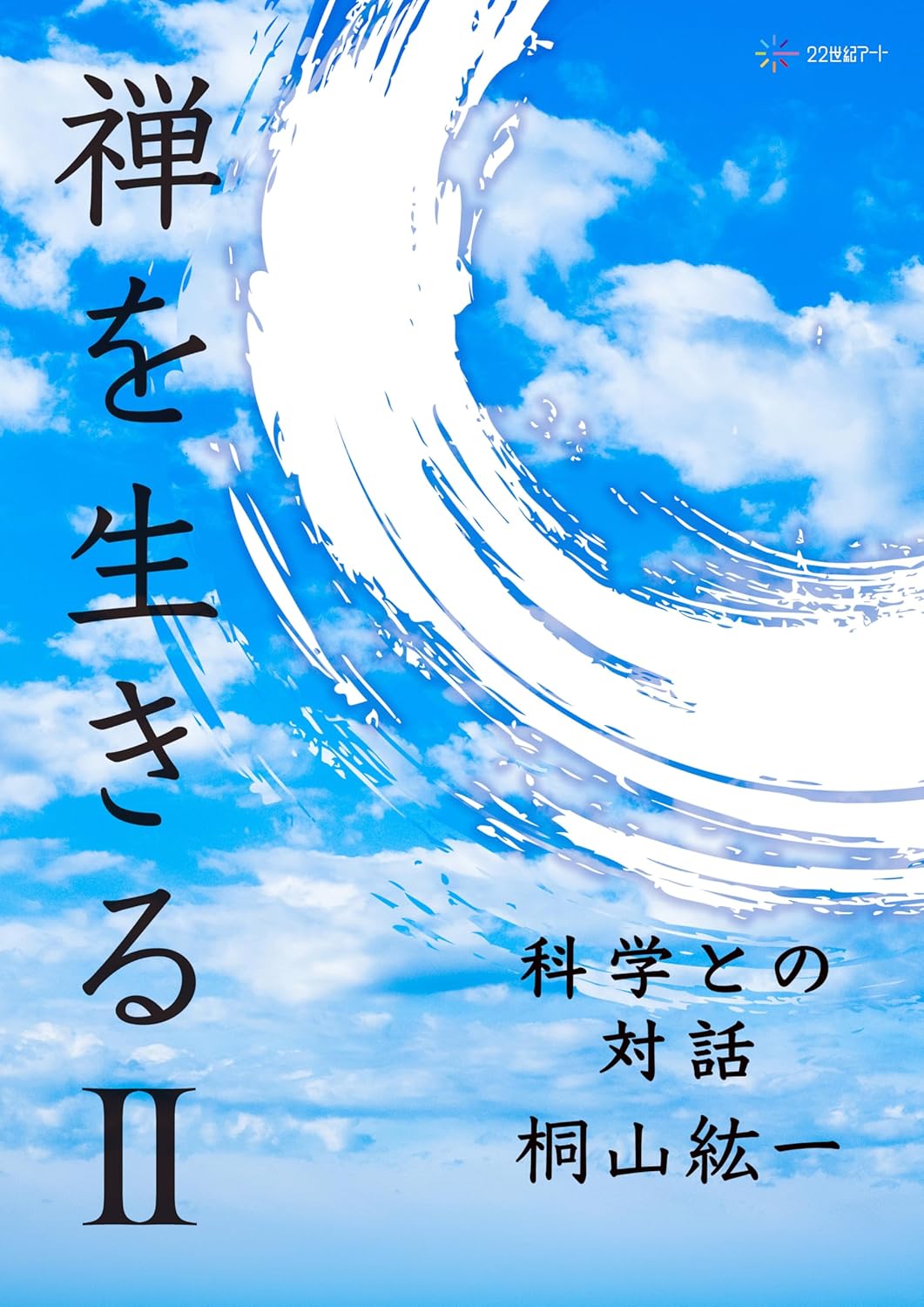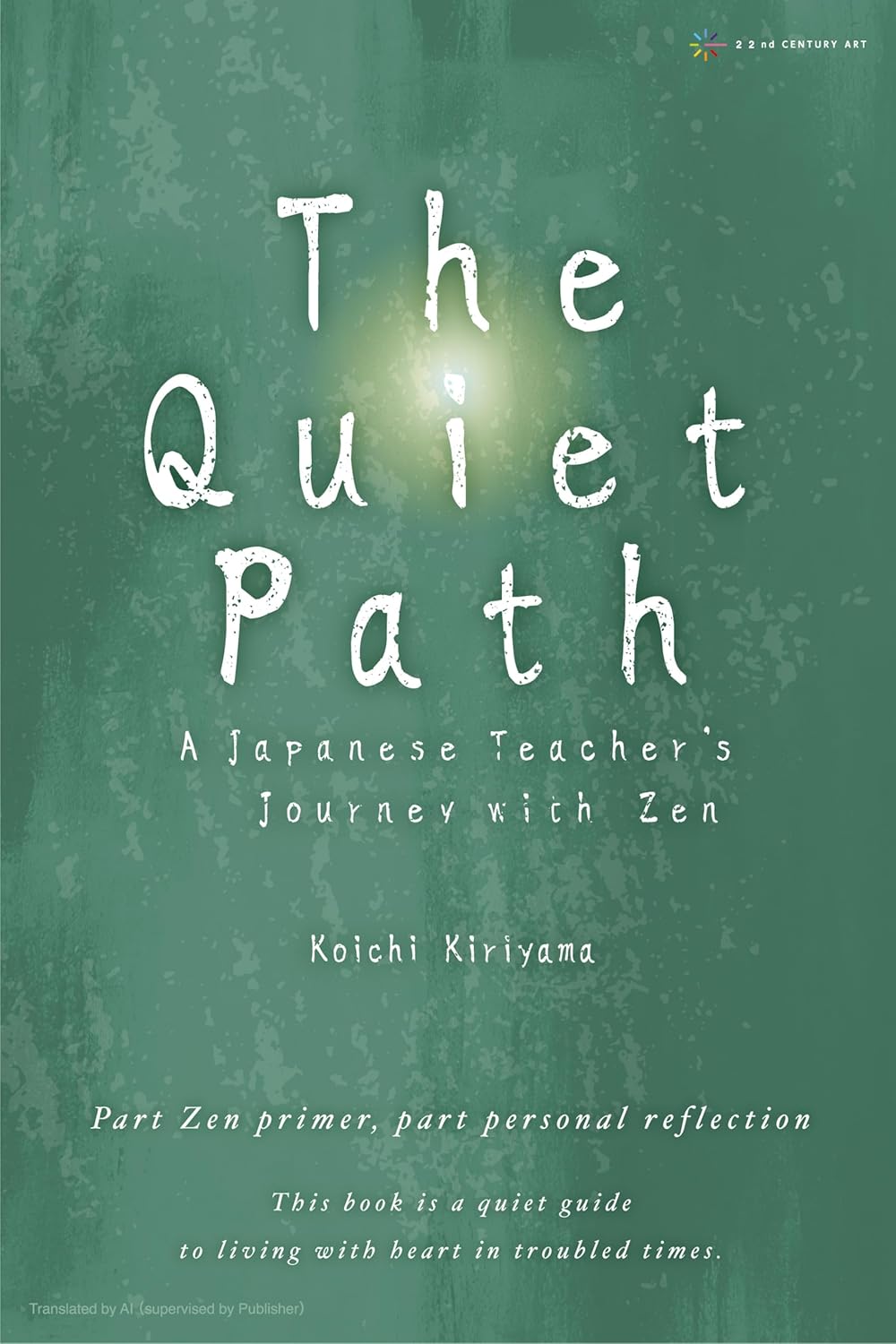
The Quiet Path: A Japanese Teacher’s Journey with Zen
(著) 桐山紘一
Amazon作品詳細
[About the Book]
— A book for everyone interested in Zen —
While leading a busy life as an elementary school teacher and participating in zazen meditation sessions, the author reflects on the accelerating crises of modern society—political and economic instability, poverty and ethnic conflict, environmental destruction, bullying among children, and challenges in education. He argues that religion plays a vital role in helping society avoid these critical conditions.
From this perspective, the book is a collection of essays that explores Buddhism—especially Zen Buddhism—its purpose and history, the challenges and importance of religious education for children, and ways to apply Zen philosophy to everyday life.
How does zazen contribute to mental and physical well-being? Why is religious education particularly important for children in today’s world? How can living each day “as Zen” lead to a richer and more fulfilling life? Drawing on extensive knowledge of Zen and explained in a clear and accessible manner, this book is both a record of the author’s lifelong engagement with Zen Buddhism and a valuable introductory guide for those new to Zen.
[Table Of Contents]
Preface: Living Zen: The Path to Self-Awareness
Prologue: Religion in the Twenty-First Century—Zen Buddhism
Chapter 1: What Kinds of Religions Exist?
Chapter 2: Zen That Promotes Health Through “Body-and-Mind as One”
Chapter 3: The Current State of, End its Challenger Religious Education
Chapter 4: Living Zen — “Zen in Action”
Chapter 5: Musical Expression That Lives Zen
Chapter 6: Dependent Origination and Emptiness
Chapter 7: Zen in Action and Yogācāra
Afterword
Key References
Author is Biography
[Editor’s Comment]
Written by an author with a remarkably unique background—working not only as an elementary school teacher but also as a composer—this book offers a fresh and engaging perspective on Zen. From fundamental questions such as “What is Zen?” to distinctive discussions linking Zen and music, it is filled with fascinating insights and episodes.
[Author is Biography]
1941 Born in Nagano Prefecture
1964 Graduated from Faculty of Education, Shinshu University
In the same year, beginning with Suwa Municipal Shiga Elementary School, he went on to serve at elementary and junior high schools in Nagano Prefecture.
1967 Joined Tanishi no Kai (Tanishi Society) – founded by composer Koyama Kiyoshige – and began studying composition.
1973 As a lay practitioner, practiced at Tansetsu-kai under Master Okada Toshirō.
1983 Joined Shakamuni-kai and studied under Rōshi Osaka Kōryū; subsequently under Rōshi Morimoto Chidō, Rōshi Tsunoi Ryūzen, and Rōshi Yamamoto Ryūkō.
1991 Founded the Nagano Zen Buddhist Association (Shakamuni-kai Nagano Branch).
2002 Retired from teaching in Nagano Prefecture.
2008 Completed the Shitsunai-Enryō koan curriculum at Shakamuni-kai.
2013 Dharma succession; received the dharma name Muraku Kōryū..
His publications include Ume no Aru Sato (Plum Village) – Kashiwa Kikaku.
Composition works include Violin to Piano no tame no Sonata “Shinano no Uta” (Sonata for Violin and Piano, “Song of Shinano”) and the song Tannishō (Tannishō) – all published by the Japan Composers’ Association. Other works include the one-man opera Hitori Opera “Tosa Genji” (One-Man Opera “Tosa Genji”), etc.
新刊情報